Garden Styles with Pictures: 30 Types of Garden Design
Thirty garden styles in five families, each with a picture, its key plants and materials, how much work it takes, and the yards it suits best.
Garden DremiAI: AI Yard & Landscape Design

🧭 How to choose a garden style
Start with conditions, not pictures. Light, rainfall and winter cold rule out half the styles on this list before taste enters it. A desert garden in a wet, shady yard fights you every week; a woodland garden there looks after itself.
Match the house. The garden is seen with the building behind it. Clean modern architecture suits modern, Scandinavian or Japanese styles; brick and clapboard suit cottage, farmhouse and New England.
Be honest about upkeep. Each style below is rated low, medium or high for routine work. Pick the level you will actually keep up in August, not the one you plan in March.
Not sure where you fit? Take the garden style quiz: six questions, about 60 seconds.
🌸 Naturalistic and romantic styles
1. Cottage Garden
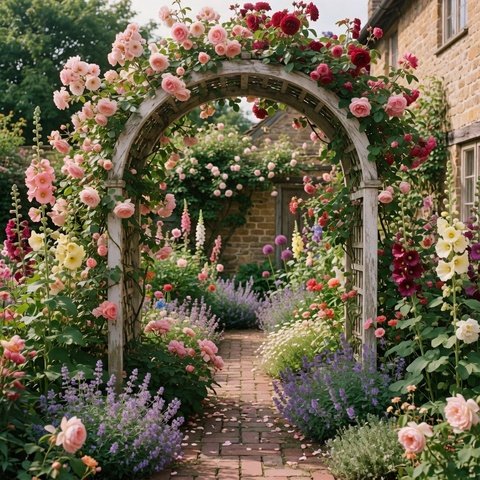
Dense, informal borders packed with flowers, herbs and climbers, with no bare soil showing. Paths are narrow and the planting spills over them.
Key plants and materials: Roses, foxgloves, lavender, delphiniums; brick or gravel paths, a rose arch.
Upkeep: High
Best for: Sunny beds and gardeners who enjoy deadheading.
2. English Country Garden
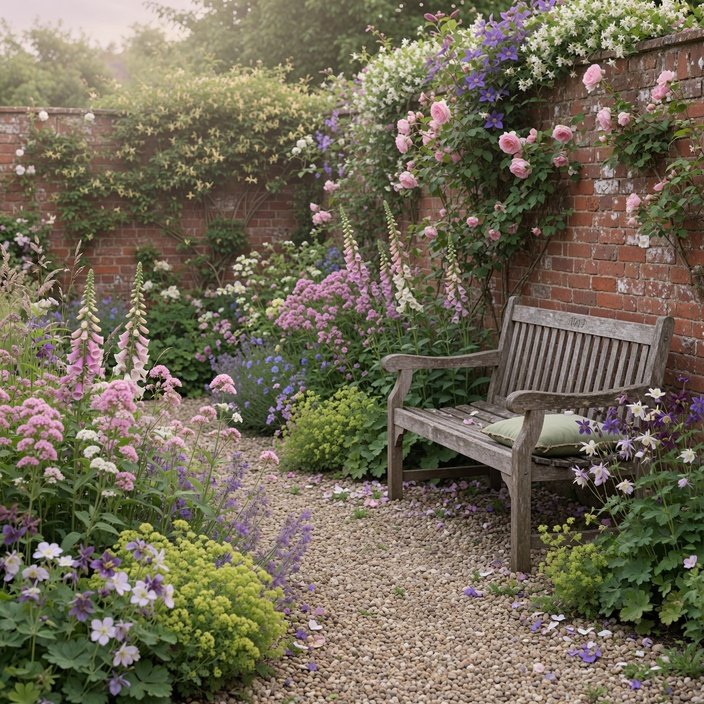
A roomier cousin of the cottage garden: deep mixed borders against old brick walls, a gravel path and a bench set among the flowers.
Key plants and materials: Foxgloves, roses, alliums, catmint, clipped box edging; reclaimed brick, weathered timber.
Upkeep: Medium to high
Best for: Walled or fenced gardens in temperate climates.
3. Woodland Garden
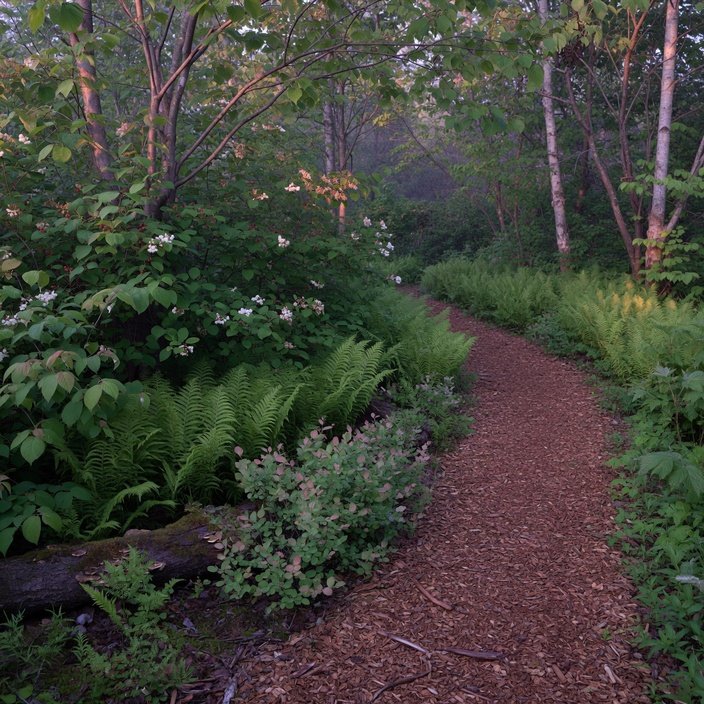
Layered shade planting under trees, with ferns at ground level and a winding bark path. It copies the edge of a forest.
Key plants and materials: Ferns, hostas, hellebores, foxgloves, birch; bark mulch, logs.
Upkeep: Low once established
Best for: Shady yards under existing trees.
4. Prairie Meadow
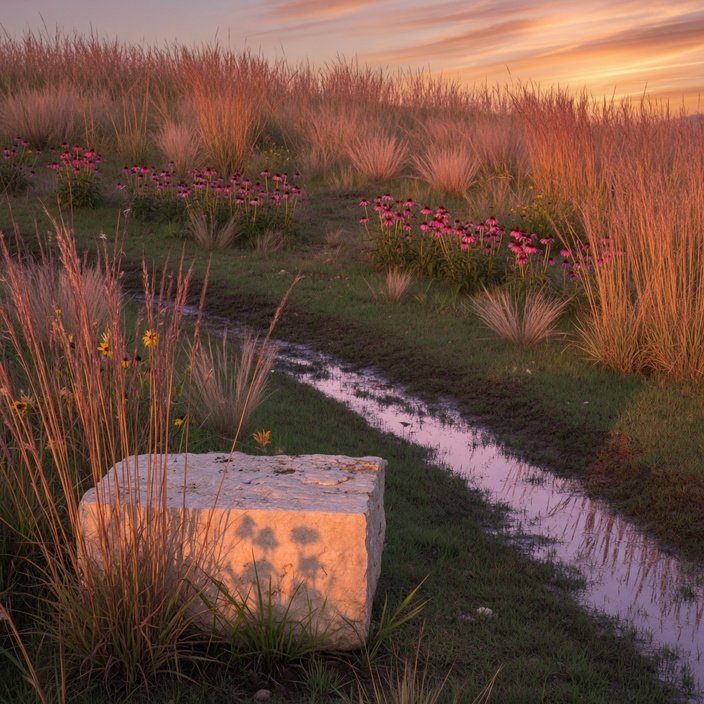
Drifts of ornamental grasses mixed with tall perennials, cut back once a year. It moves in the wind and feeds pollinators.
Key plants and materials: Switchgrass, little bluestem, coneflower, rudbeckia; mown paths, a large boulder.
Upkeep: Low
Best for: Open, sunny yards and anyone replacing a lawn.
5. Alpine Rock Garden
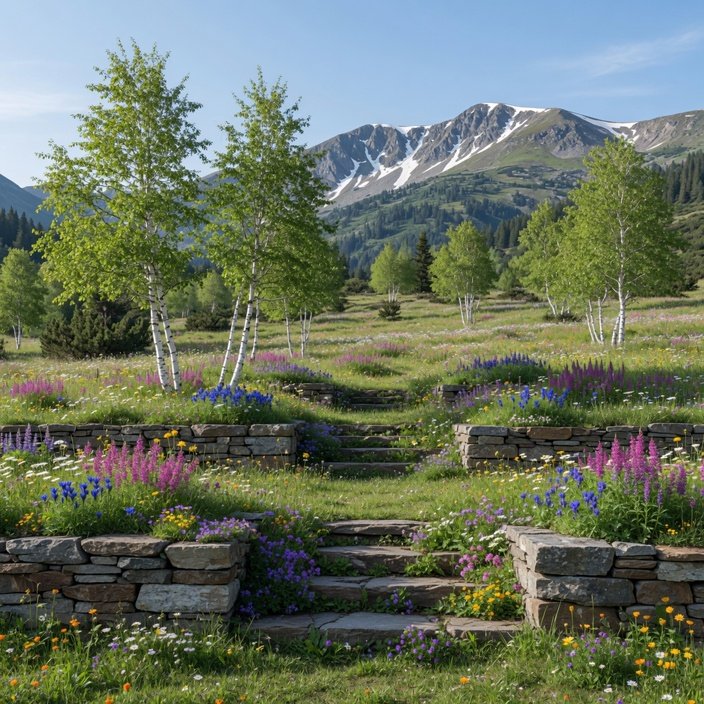
Low dry-stone walls, stone terraces and small mountain flowers in sharp-draining soil. Built for slopes and cool summers.
Key plants and materials: Saxifrage, thrift, dianthus, creeping thyme, birch; dry-stone walls, grit and gravel.
Upkeep: Medium
Best for: Sloping sites, rockeries and cooler climates.
6. Boho Garden
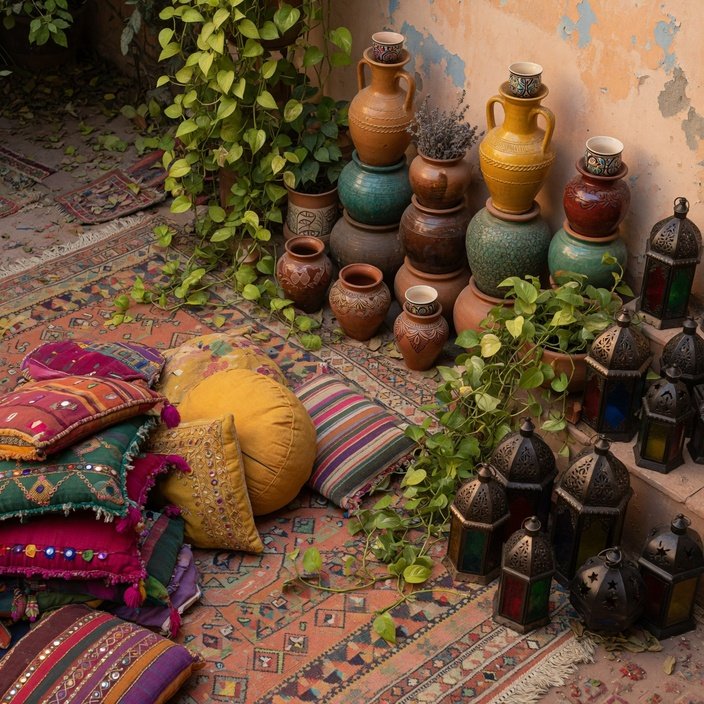
Collected, colourful and relaxed: patterned textiles, clusters of glazed pots and trailing plants. The garden as an outdoor living room.
Key plants and materials: Ivy, ferns, succulents and herbs in mixed pots; kilim cushions, lanterns, glazed pottery.
Upkeep: Medium (pots need regular water)
Best for: Patios, balconies and rented spaces.
☀️ Warm and dry styles
7. Mediterranean Garden
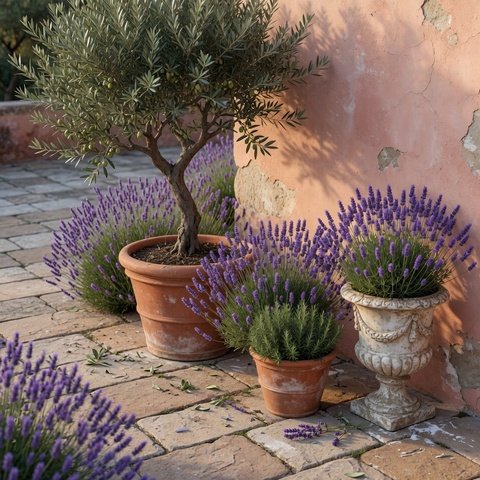
Terracotta, olive trees and lavender around a sunny terrace. Plants that like dry heat, pots you can move, and a table that gets used every evening.
Key plants and materials: Olive, lavender, rosemary; terracotta pots, stone or gravel terrace.
Upkeep: Low
Best for: Hot, dry summers and free-draining soil.
8. Tuscan Garden
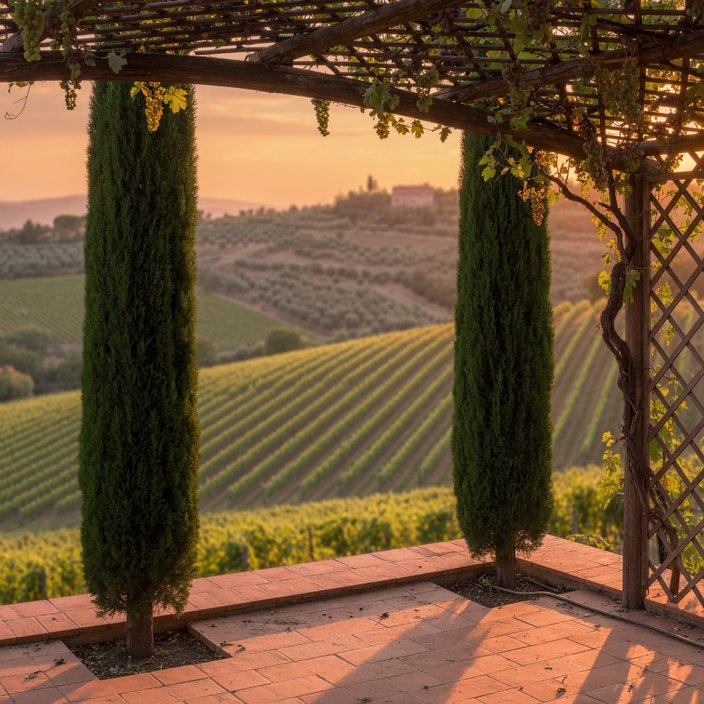
Cypress columns, a timber pergola and terracotta paving looking out over open country. Formal lines, warm stone and very little lawn.
Key plants and materials: Italian cypress, olive, a grapevine on the pergola, rosemary; terracotta tiles, timber pergola.
Upkeep: Low to medium
Best for: Sunny sites with a view to frame.
9. Riviera Terrace
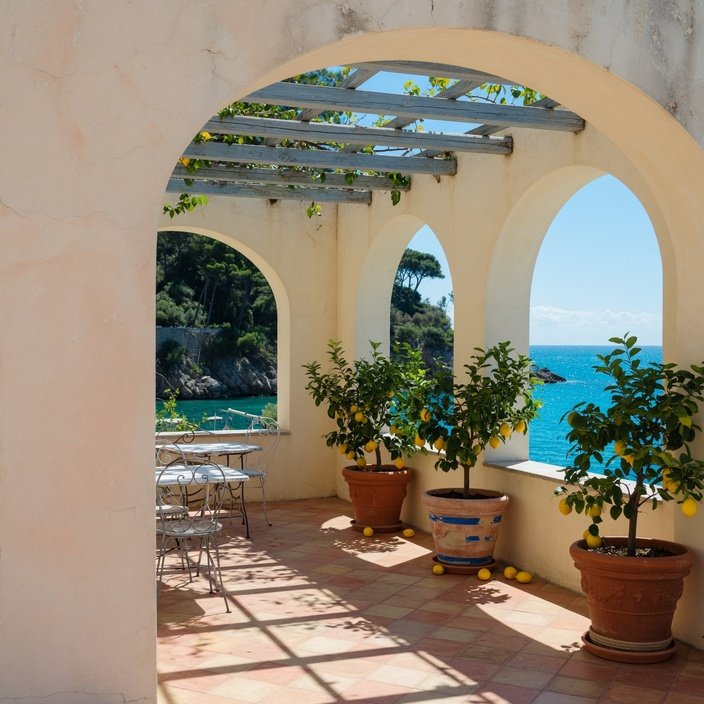
A sheltered terrace under arches, lemon trees in pots and a view of the water. The focus is outdoor dining and shade.
Key plants and materials: Lemon trees in pots, bougainvillea, rosemary; terracotta floor, white rendered arches, a pergola.
Upkeep: Medium (potted citrus need regular water)
Best for: Terraces and patios in warm coastal climates.
10. Moroccan Courtyard
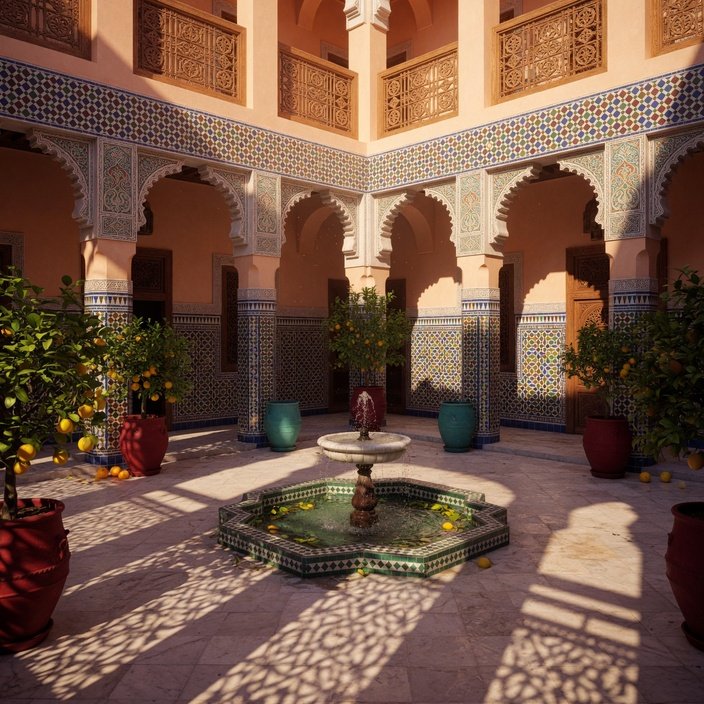
An enclosed courtyard built around a tiled fountain, with zellige tilework, carved arches and potted citrus. Cool, shaded and symmetrical.
Key plants and materials: Citrus in pots, palms, jasmine; zellige tiles, a central fountain, lanterns.
Upkeep: Medium
Best for: Enclosed courtyards in hot climates.
11. Desert Garden
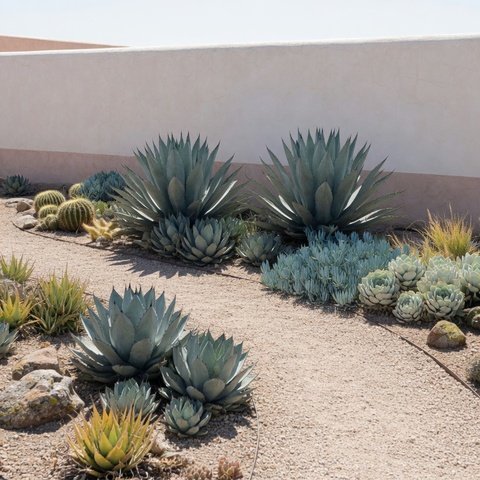
Agave, cactus and silver-blue succulents set in gravel, with open space around each plant. The lowest-water style on this list.
Key plants and materials: Agave, silver succulents, barrel cactus; decomposed granite, boulders.
Upkeep: Low
Best for: Hot, dry climates and water restrictions.
12. Southwestern Garden
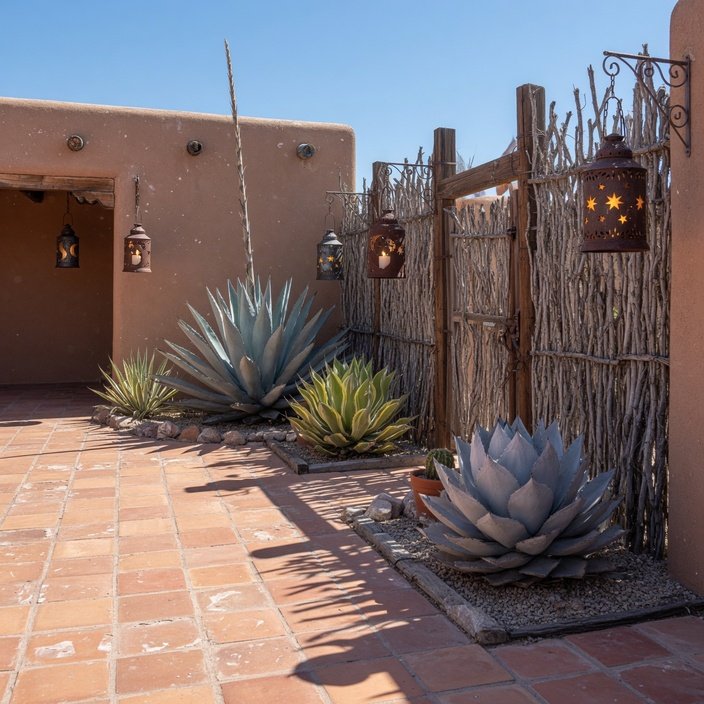
Adobe walls, terracotta pavers, agave and a rustic branch fence. Desert planting with warm, earthy colour.
Key plants and materials: Agave, yucca, prickly pear; terracotta pavers, adobe or stucco walls, iron lanterns.
Upkeep: Low
Best for: Hot, dry regions and homes with adobe or stucco walls.
🪨 Calm and structured styles
13. Japanese Garden
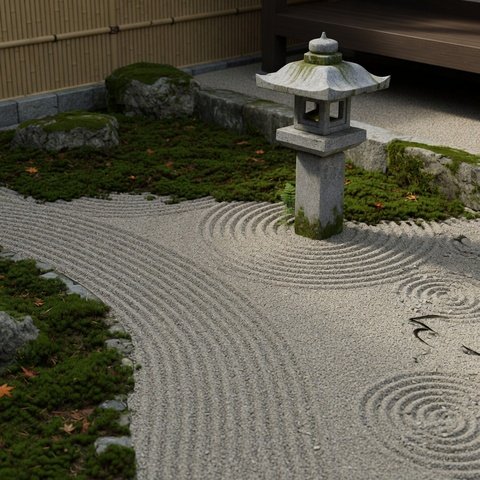
Raked gravel, moss, stone and one maple. Asymmetry and empty space do the work, so every element you add has to earn its place.
Key plants and materials: Japanese maple, moss, pruned pines; raked gravel, a stone lantern, stepping stones.
Upkeep: Medium (careful pruning)
Best for: Small yards and courtyards.
14. Zen Gravel Garden
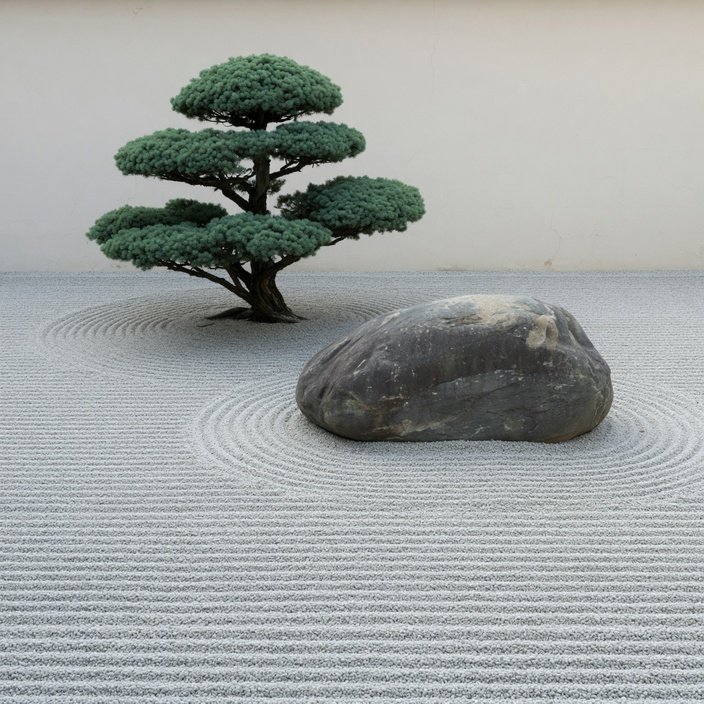
A dry garden of raked gravel with a few carefully placed stones and one shaped tree. It is made for looking at in quiet, not for walking through.
Key plants and materials: One cloud-pruned pine or juniper; raked gravel, one or three boulders.
Upkeep: Low (regular raking)
Best for: Small courtyards, side yards and views from a window.
15. Scandinavian Garden
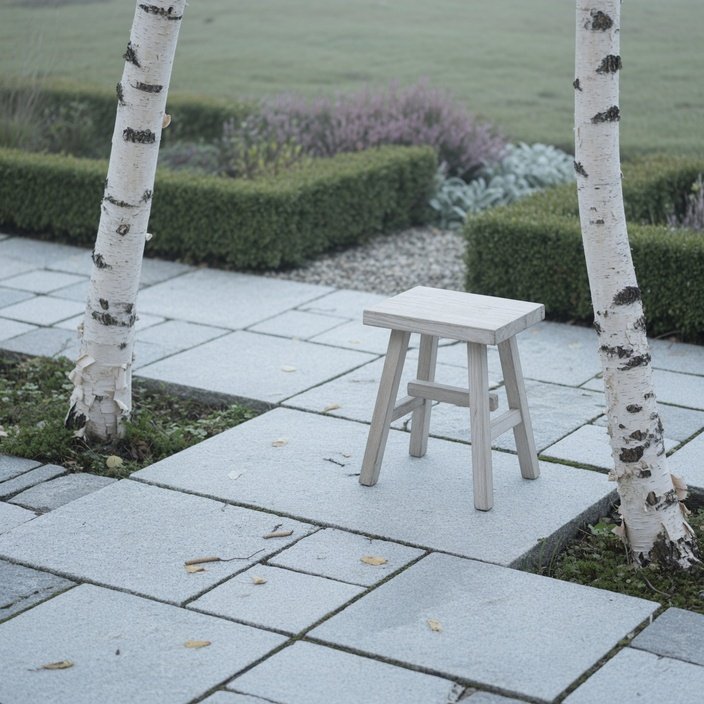
Pale stone paving, white-stemmed birch, low clipped hedges and simple timber furniture. Light, calm and practical.
Key plants and materials: Birch, lavender, grasses, low hedging; pale stone pavers, untreated timber.
Upkeep: Low to medium
Best for: Cool climates and small modern homes.
16. Modern Garden
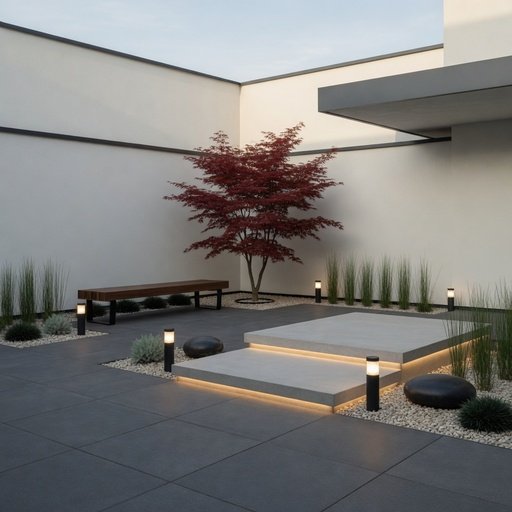
Large pavers, crisp edges and a short plant list repeated in blocks. Built-in seating and low lighting make it work after dark as well as by day.
Key plants and materials: Ornamental grasses, a single feature tree; large-format pavers, built-in bench, step lights.
Upkeep: Low
Best for: Small urban yards and anyone who wants little weekly work.
17. Dark Minimalist Garden
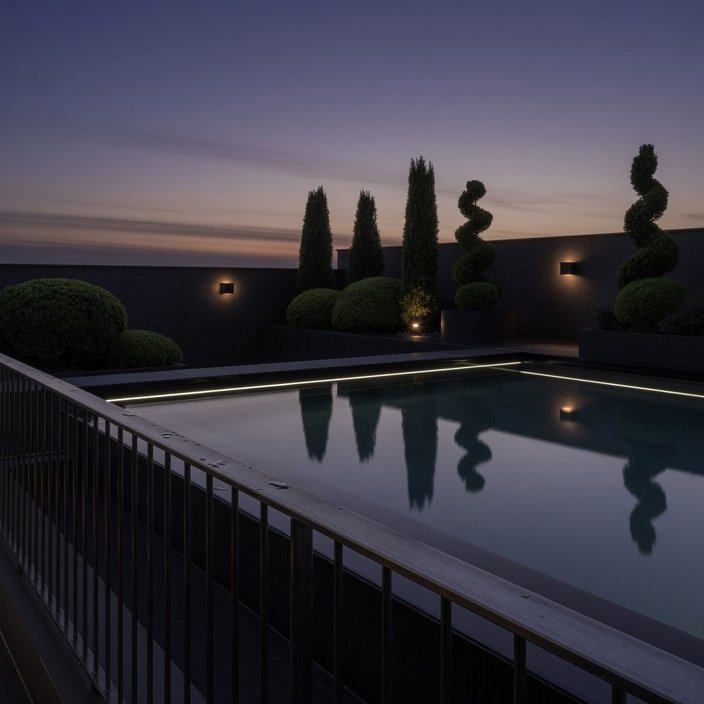
Charcoal surfaces, dark water, topiary silhouettes and low lighting. Designed to look its best after sunset.
Key plants and materials: Clipped yew or box topiary, slim cypress; charcoal stone, a dark-lined pool, low wall lights.
Upkeep: Low to medium
Best for: Contemporary homes and evening entertaining.
18. Mid-Century Modern Garden
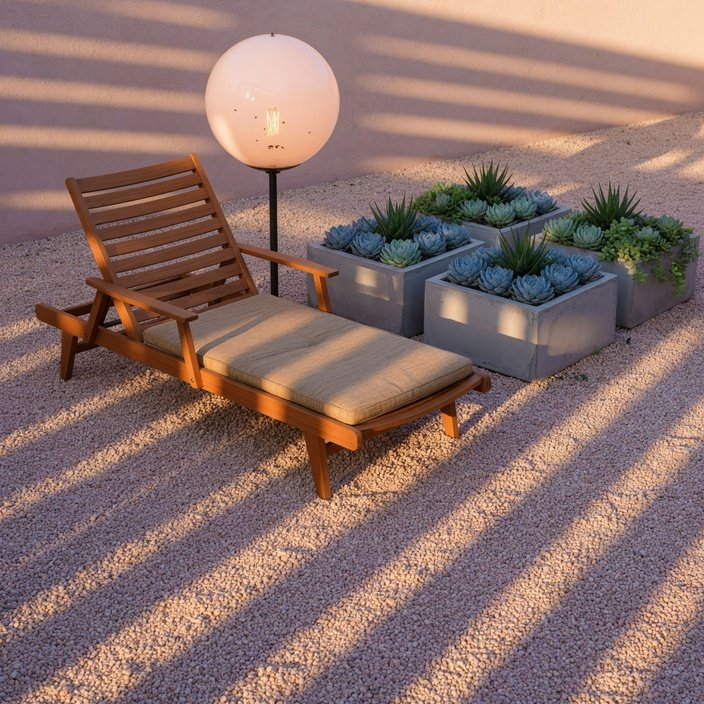
Clean 1950s geometry: a gravel terrace, sculptural plants in metal planters, a timber lounger and a globe light.
Key plants and materials: Agave, blue fescue, succulents; steel planters, gravel, timber.
Upkeep: Low
Best for: Mid-century houses and dry, sunny yards.
19. Industrial Garden
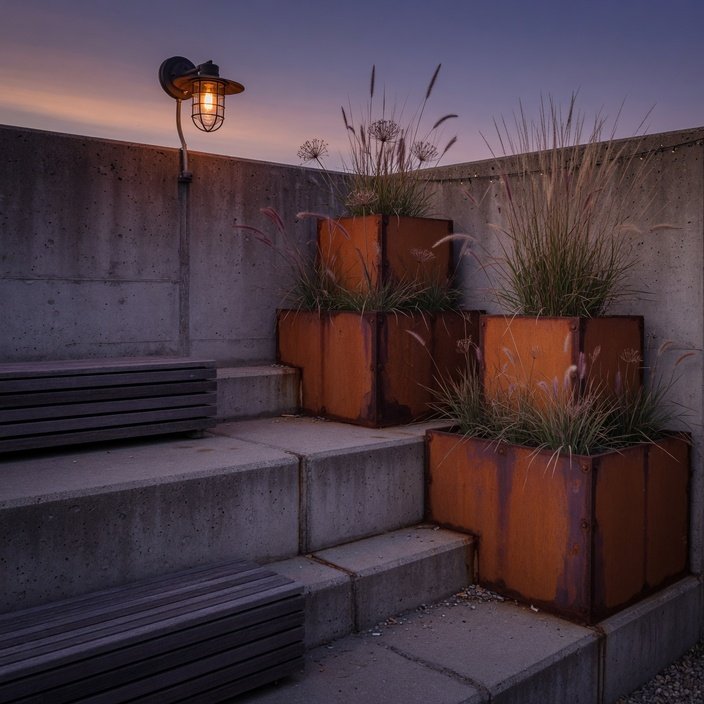
Board-formed concrete, rusted Corten steel planters and grasses lit by a bulkhead lamp. Raw materials left honest.
Key plants and materials: Ornamental grasses, alliums, sedum; Corten steel, concrete, metal lighting.
Upkeep: Low
Best for: Urban yards and modern builds.
🏛️ Formal and classic styles
20. French Formal Garden
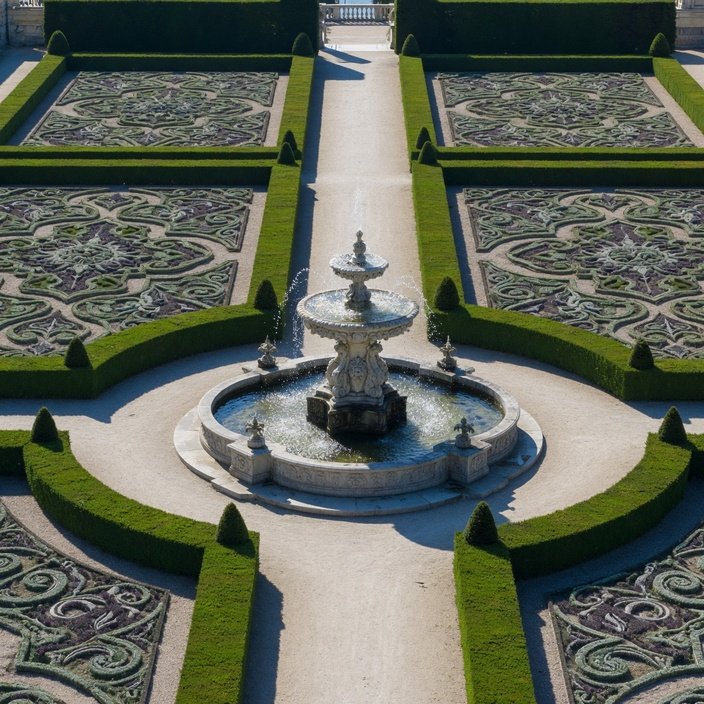
Symmetrical parterres of clipped box around a central fountain, with gravel walks on a strict axis. Order is the whole point.
Key plants and materials: Box hedging, lavender or santolina infill, standard roses; gravel walks, a stone fountain.
Upkeep: High (regular clipping)
Best for: Large, level gardens and formal houses.
21. New England Garden
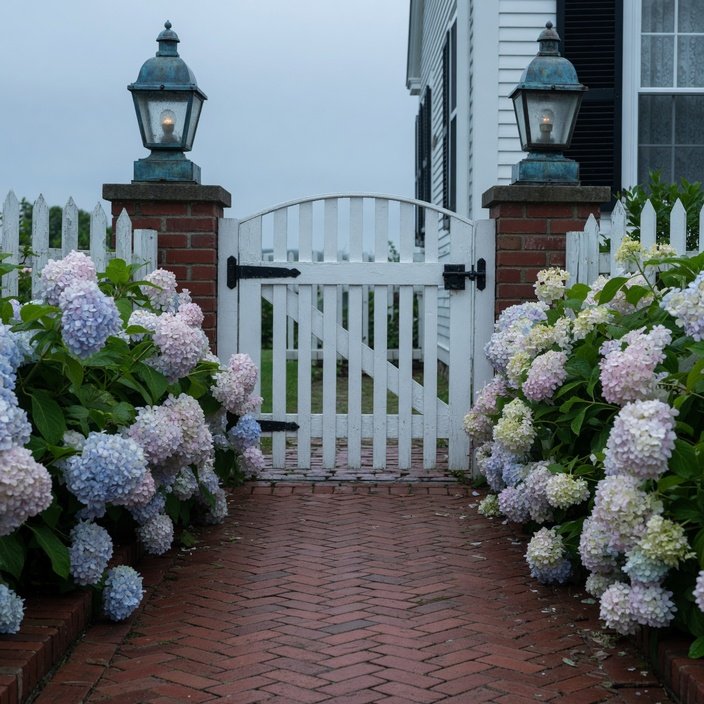
A white picket gate, a herringbone brick path, lanterns on brick piers and big mophead hydrangeas. Classic, welcoming and made for the front of the house.
Key plants and materials: Hydrangeas, boxwood, climbing roses; herringbone brick, white picket fence, lanterns.
Upkeep: Medium
Best for: Front yards of traditional homes.
22. Hamptons Garden
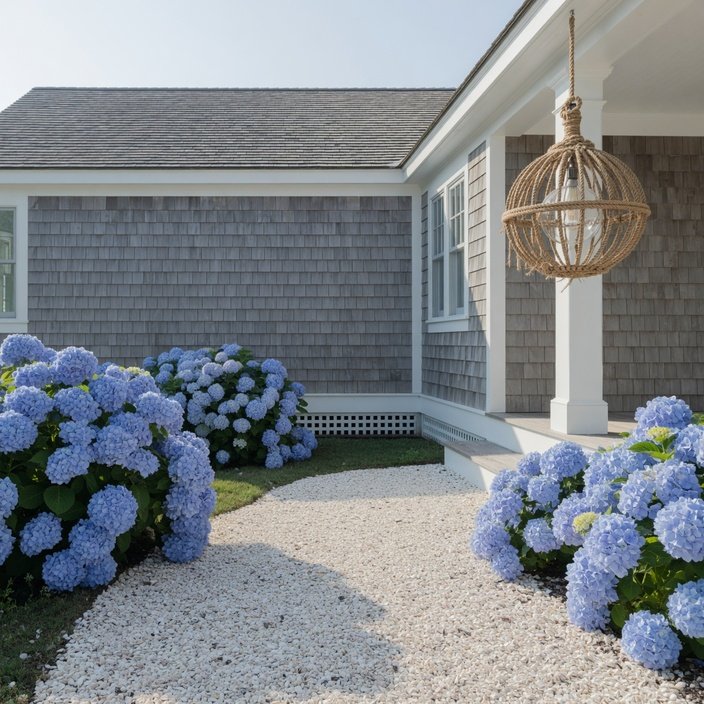
Grey shingle, white trim, pea gravel and blue hydrangeas. Relaxed coastal-classic, crisp but never fussy.
Key plants and materials: Blue hydrangeas, boxwood, grasses; pea gravel, grey shingle, white trim.
Upkeep: Medium
Best for: Coastal homes and shingle or clapboard houses.
23. Farmhouse Garden
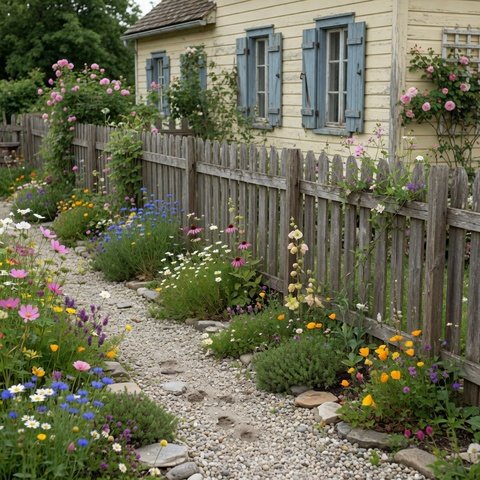
A weathered picket fence, a gravel path and loose borders of wildflowers and roses against a clapboard house. Practical, easy-going and full of colour.
Key plants and materials: Coneflowers, black-eyed Susans, roses, cosmos; gravel, weathered timber fencing, raised beds.
Upkeep: Medium
Best for: Rural or suburban homes and family gardens.
24. Art Deco Garden
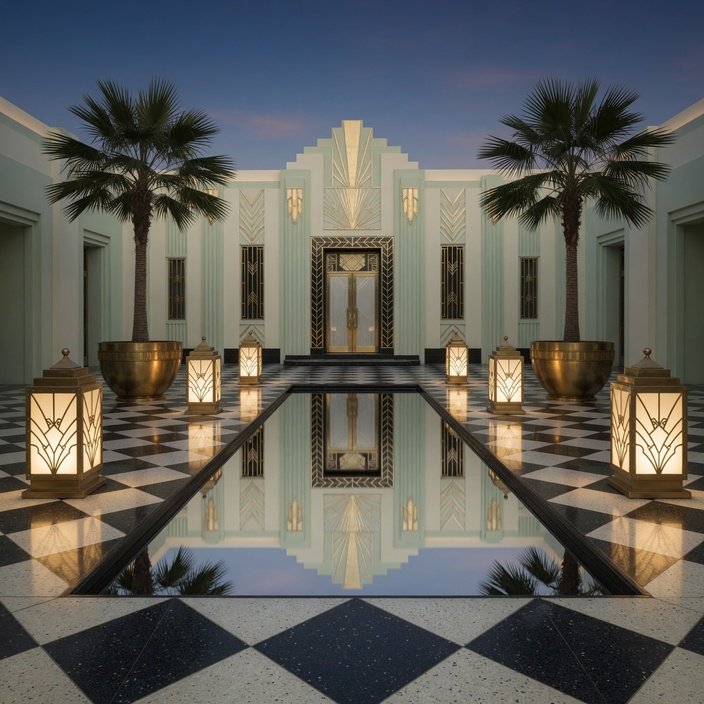
Geometric black-and-white paving, a long reflecting pool, palms in gold planters and lantern light. Symmetry with glamour.
Key plants and materials: Palms, clipped topiary; checkerboard paving, a reflecting pool, brass or gold planters.
Upkeep: Medium to high
Best for: Formal entrances and statement courtyards.
🌴 Lush and resort styles
25. Tropical Garden
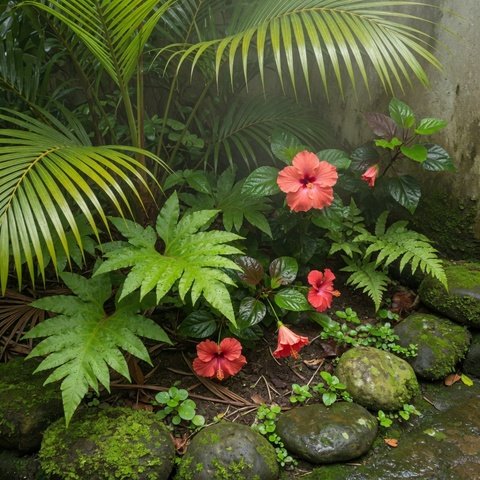
Big leaves in layers, from palms overhead to ferns at ground level, with hot flower colour in between.
Key plants and materials: Palms, banana, hibiscus, ferns; timber decking.
Upkeep: Medium to high
Best for: Warm, humid climates. In colder areas, fatsia, hardy palms and tree ferns give a similar look.
26. Balinese Garden
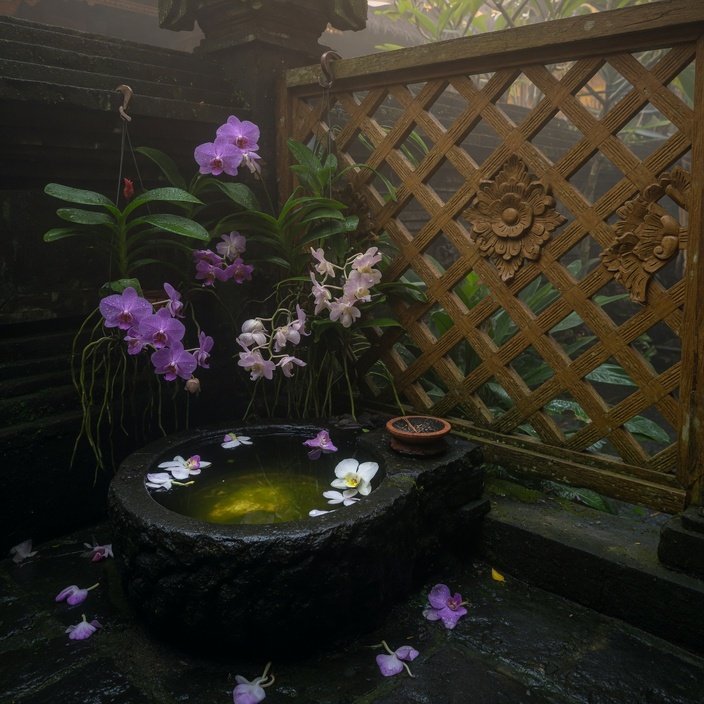
A stone water bowl with floating flowers, carved timber screens, orchids and deep shade. Calm, spiritual and humid.
Key plants and materials: Orchids, frangipani, ferns, bamboo; carved timber screens, a stone water bowl.
Upkeep: Medium
Best for: Warm, humid climates and shady courtyards.
27. Resort Garden
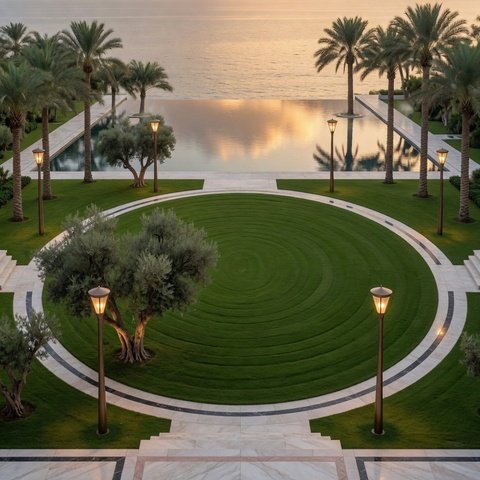
A smooth lawn, palms, lit paths and a place to lounge or swim. Every view is framed like a hotel terrace.
Key plants and materials: Palms, clipped hedges, lawn; pool or lounge deck, path lighting, an outdoor kitchen.
Upkeep: High
Best for: Larger yards built around a pool or regular guests.
28. Safari Lodge Garden
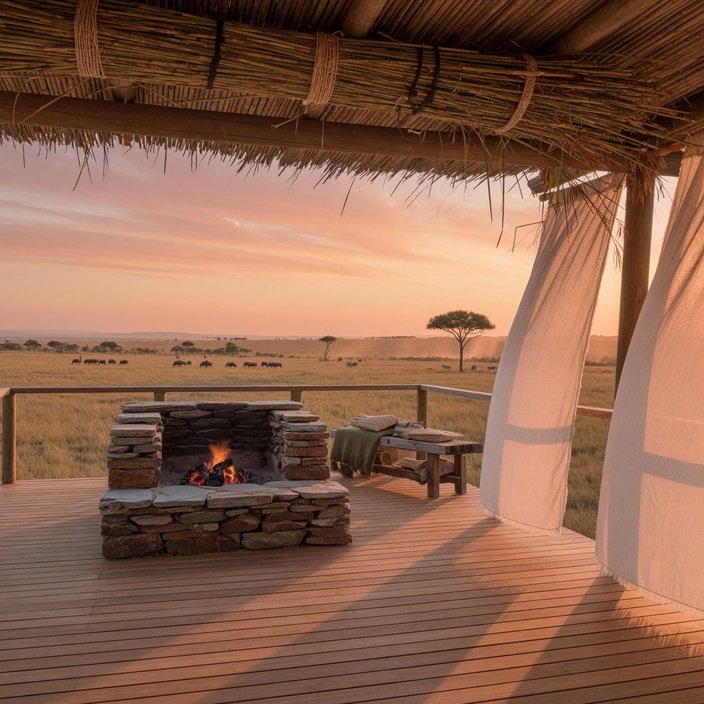
A timber deck under a thatched roof, a stone fire pit and canvas curtains facing open grassland. Built for watching the sunset.
Key plants and materials: Ornamental grasses, aloes, small multi-stemmed trees; timber decking, thatch, a stone fire pit, canvas.
Upkeep: Low to medium
Best for: Large plots with a view in warm, dry climates.
29. Coastal Garden
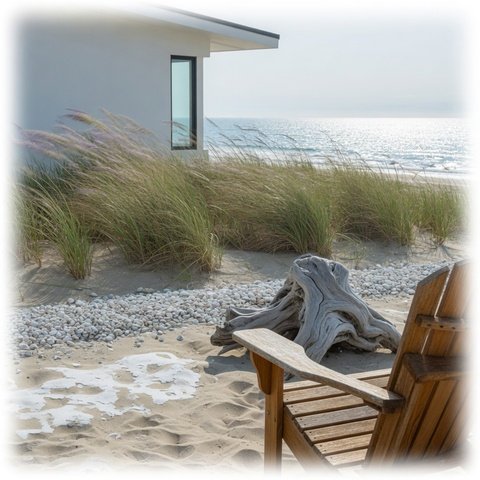
Dune grasses, driftwood and sand-coloured gravel around a simple timber chair. Wind-tolerant planting that looks natural by the sea.
Key plants and materials: Dune and ornamental grasses, sea holly, lavender; sand, gravel, driftwood, weathered timber.
Upkeep: Low
Best for: Seaside, windy and sandy gardens.
30. Urban Rooftop Garden
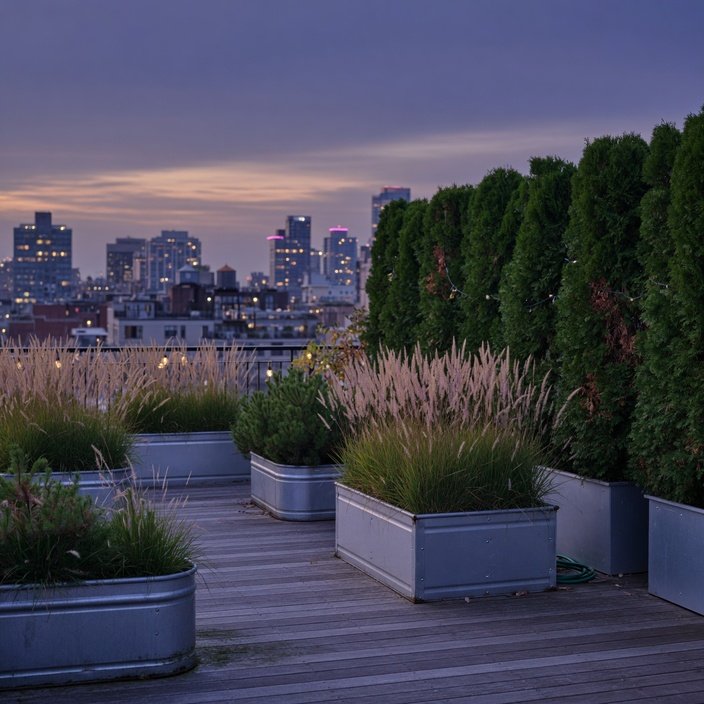
Timber decking, galvanised planters of grasses and a tall evergreen screen against the skyline. Every plant lives in a container.
Key plants and materials: Grasses, lavender, an arborvitae screen, herbs; timber or composite decking, galvanised planters.
Upkeep: Medium (containers dry out fast)
Best for: Rooftops, balconies and city terraces.
📱 See your own yard in any of these styles
A style that looks right in a magazine can look wrong against your own fence and house. Take one photo of your yard, pick two or three styles from this list in Garden DremiAI, and compare them on your real space in about 30 seconds each.
Free to download. New users get a welcome offer for a limited time.
📚 Read next
❓ FAQ: garden styles
Q: What are the main types of garden styles?
A: Most garden styles fall into five families: naturalistic (cottage, woodland, meadow), warm and dry (Mediterranean, desert), calm and structured (Japanese, modern, Scandinavian), formal (French, New England) and lush (tropical, resort). The 30 styles above are grouped the same way.
Q: Which garden style is the easiest to maintain?
A: Desert, modern, prairie meadow and zen gravel gardens need the least routine work: few plants, gravel or paving, and little watering once established. Cottage, French formal and resort gardens need the most.
Q: Can I mix two garden styles?
A: Yes, and most real gardens do. Keep one style for the base (paving, paths, boundaries and large plants) and borrow only accents from the second, such as pots, lighting or a few plants. Pairs that share materials or conditions mix best, for example Japanese with modern or Mediterranean with desert.
Q: Which garden style suits a small yard?
A: Japanese, zen gravel, modern, Scandinavian and Moroccan courtyard styles all work well in small spaces, because they rely on structure and a short plant list rather than size. See 12 small backyard layouts for the floor plan.
🧑💻 About the Author
Garden DremiAI: AI yard design & plant care
Written by the maker of Garden DremiAI, an independent studio. Japanese is the style our users generate most and copy least successfully, and the pattern is always the same: too many objects, not enough empty ground. Plant choices should be confirmed locally; species suited to one climate frequently fail in another.
Questions: support@gardenyarddesign.com